Fisheries and Oceans Canada (DFO)
- Fisheries and Oceans Canada (DFO)
- 2 years
DFO helps to ensure healthy and sustainable aquatic ecosystems through habitat protection and sound science, supporting economic growth in the marine and fisheries sectors, and innovation in areas such as aquaculture and biotechnology.

Refining collaboration process to improve accuracy
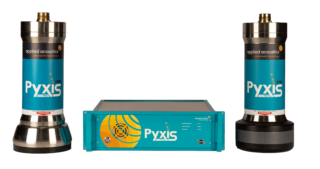
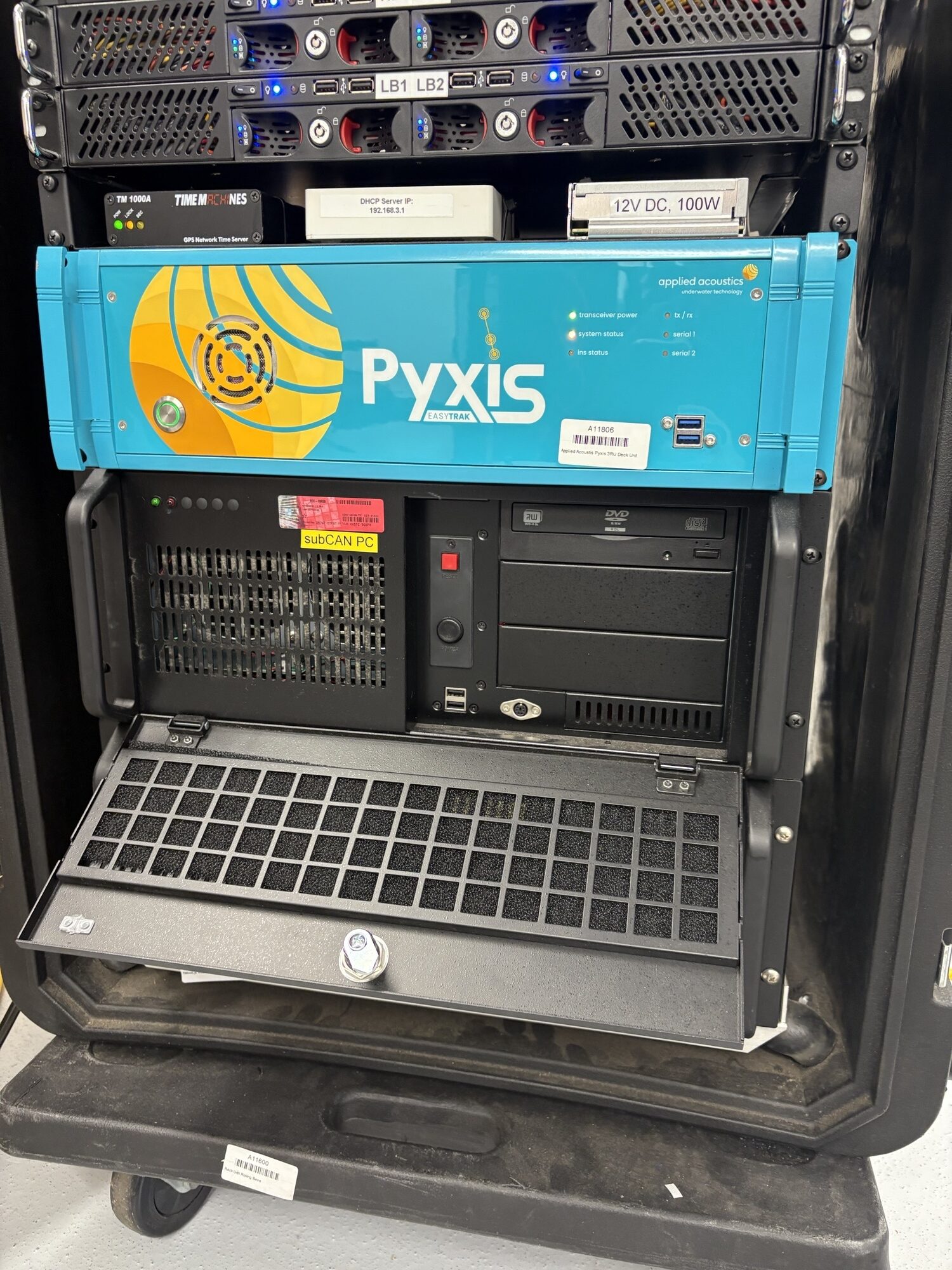
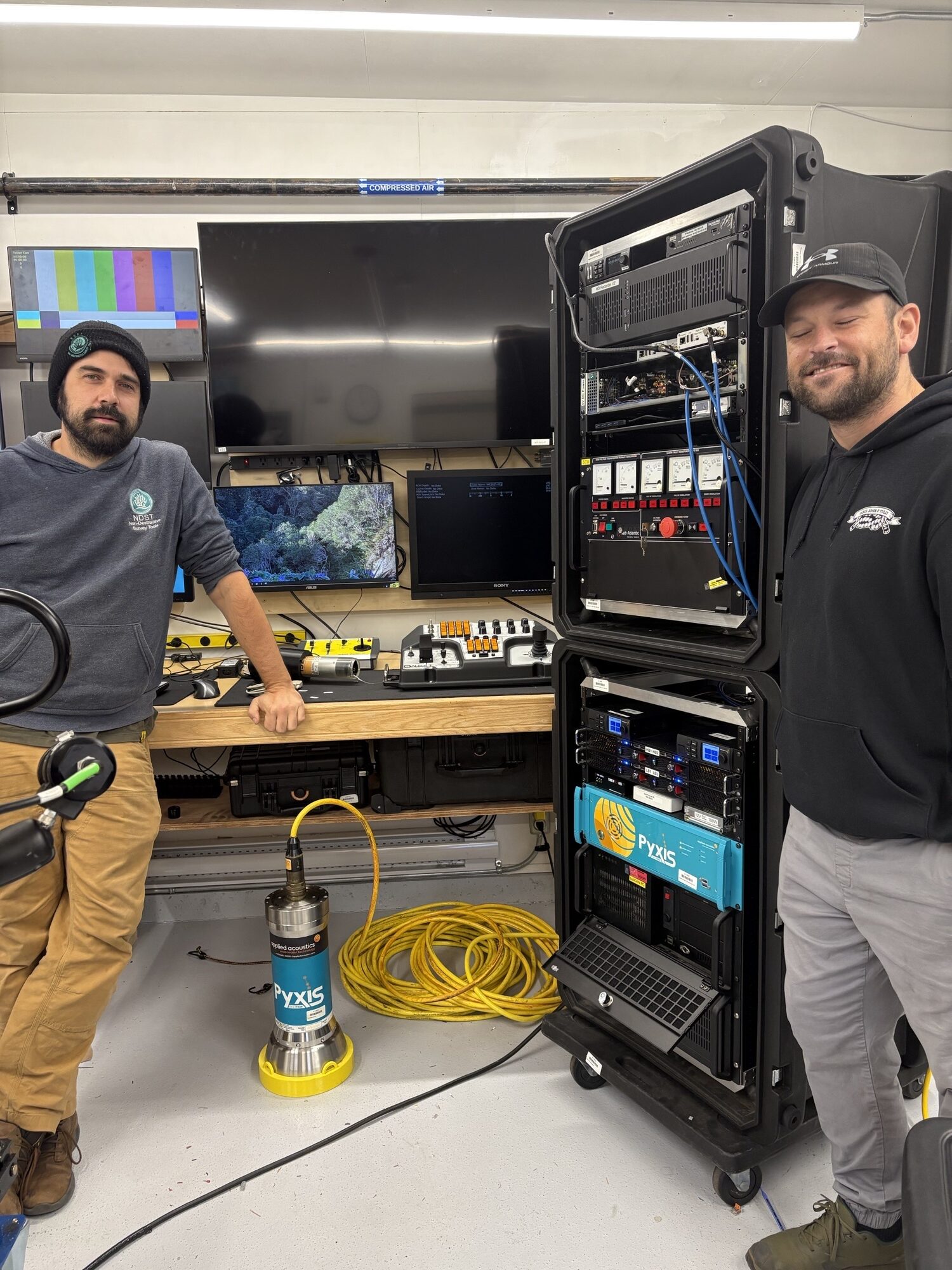
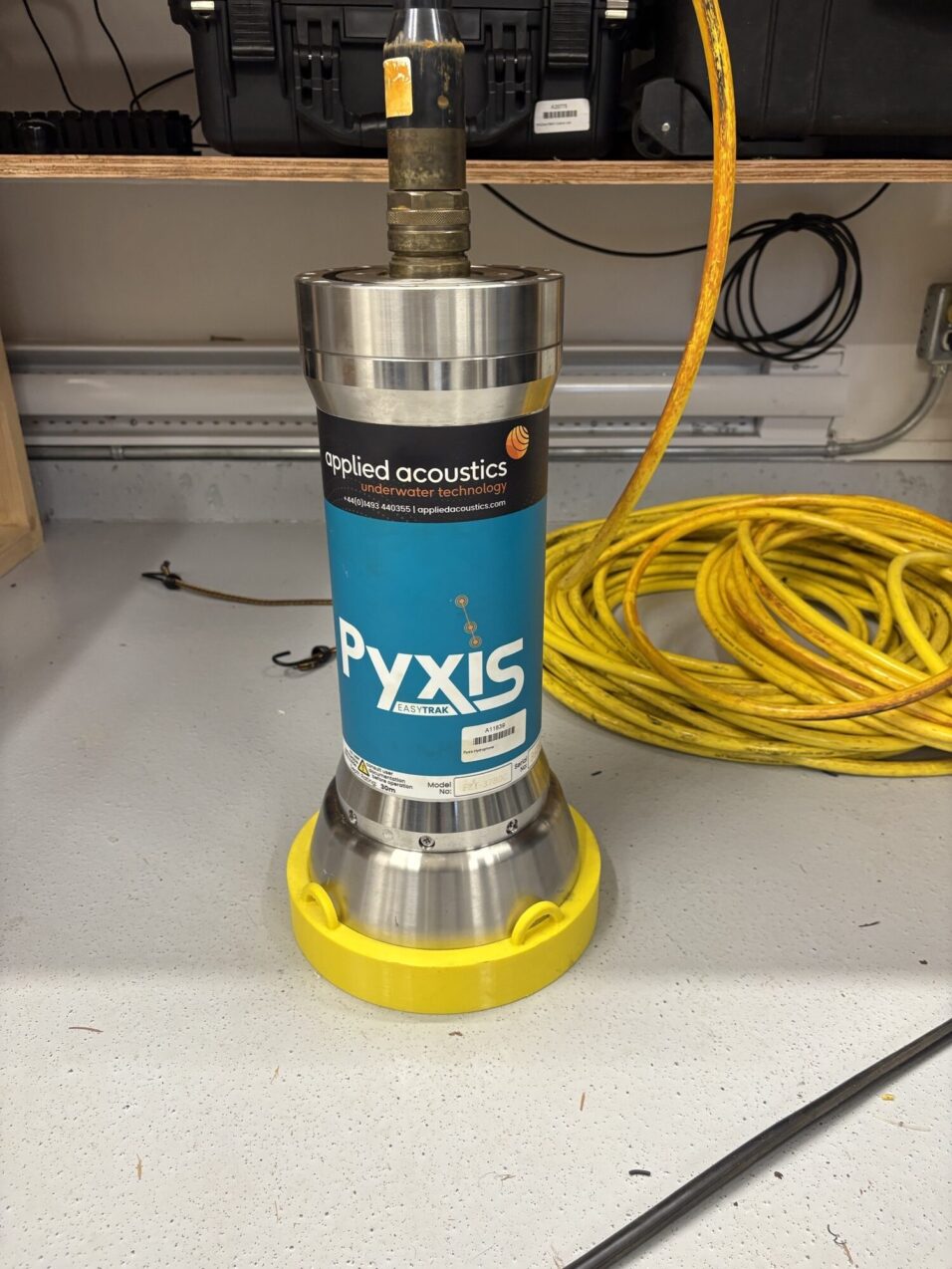
DFO and ROMOR collaborated to evaluate the performance and long-term suitability of the Pyxis USBL (Ultra Short Baseline) acoustic positioning system for both shallow and deep-water applications. The goal was to refine calibration processes, assess real-world tracking range, and identify enhancements that could improve data accuracy and operational efficiency. Their field testing highlighted the Pyxis system’s strong performance, cost-effectiveness, and the value of applied acoustics’ responsive technical support.

Reliable solutions for a broad range of missions
DFO required a reliable acoustic positioning solution capable of supporting a broad range of missions, from shallow coastal surveys to deeper deployments approaching 2000m, with future ambitions to reach depths of 3000m. The team faced several challenges:
- Calibration procedures that were functional but not yet fully refined
- Tracking range limitations when operating beyond 300–400m
- Integration constraints when working with various vehicle sizes and beacon housings
- The need for improved data intelligence and streamlined data management
Ensuring dependable subsea positioning while operating in dynamic marine environments required technology that balanced robust capability with practical adaptability.
Enhanced integration and support
applied acoustics provided continued support throughout testing, with fast and dependable responses during field operations—a critical advantage when teams were working in remote or time-sensitive environments. ROMOR and DFO also explored several enhancements, including:
- Passing vehicle data via network (TCP/IP) instead of serial input
- Adding real-world accuracy expectations to system documentation
- Integrating aiding sources such as DVL data into the Pyxis Kalman filter
- Developing remote or webinar-based calibration training to aid operators
These enhancements will further streamline operations, improving project efficiency and accuracy.

Impact and Results
The evaluation confirmed Pyxis INS + USBL as a highly capable and dependable tool for subsea positioning. Key results included:
- Operational confidence in both shallow and deep-water deployments
- Reduced risk through improved positional awareness
- Improved training and workflow clarity, with refined calibration procedures
- Long-term value, with an expected lifespan of at least 10 more years for the product line
- Strong manufacturer support, crucial for mission success in challenging marine environments
The Pyxis system’s balanced combination of affordability, advanced capability, and responsiveness from applied acoustics made it a sustainable and dependable choice for DFO’s ongoing operations.