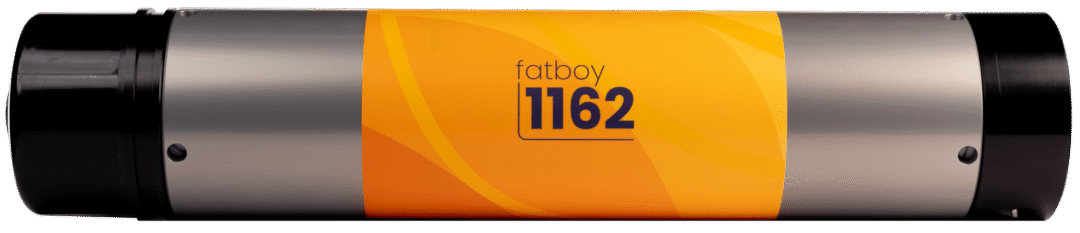
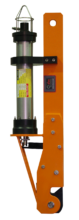
A typical acoustic release consists of a transducer, battery pack and release mechanism.
The system operates through these key components:
- Transducer and Hydrophone: Receives acoustic command signals transmitted from surface vessels
- Processing Unit: Decodes the acoustic signals and verifies authorised commands using a reliable FSK acoustic command protocol
- Release Mechanism: Positive drive-off mechanisms that physically separate the equipment from its anchor, ensuring reliable operation even in high bio-fouling environments
- Transponder Capability: Enables two-way communication for enhanced operational control and positioning
When a pre-programmed acoustic code is transmitted from the surface, the release mechanism activates, allowing the buoyant equipment to rise to the surface for recovery.
Operational Process: Our Acoustic Release Beacons can receive and transmit signals to a surface instrument. When the equipment is ready to be retrieved, the surface transmitter will send acoustic signals through the water to locate it and a specific command to release.
The release beacon will then let go of the anchor, with the anchor weight remaining on the seabed while the equipment and release transponder float to the surface.
Depth ratings
Acoustic Releases must withstand water pressure at operational depths, with depth ratings ranging from 300m for shallow-water applications to full ocean depth. Common depth categories include:
- Shallow Water: 200-500m for coastal and continental shelf operations
- Mid-Water: 1,000m for typical deep-sea research
- Deep Water: Some systems are available at 6,000m+ for abyssal and full ocean depth applications
Standard systems are available with depth ratings from 200m to 6,000m, with specialised units extending operational capabilities to the deepest ocean trenches. Our acoustic release products have a maximum depth of 1,000m.
Compatibility and versatility
Acoustic Releases can be used as recoverable reference markers for positioning systems such as Easytrak and other USBL systems. They also allow the recovery of subsea instruments such as current meters, and can send back information such as tilt status and battery condition. With low power consumption, Acoustic Release Beacons are typically designed for long-life operations.
applied acoustics Release Beacons offer dual functionality, serving both as release mechanisms and acoustic positioning beacons compatible with Easytrak USBL range and other industry standard positioning systems.